Key Takeaways: Mink Oil Vs Beeswax
Mink oil and beeswax are both commonly used for leather care, but which one is better for you?
Mink oil is known for its waterproofing properties and ability to soften leather, but it can also darken the color and clog the pores of the leather.
On the other hand, beeswax rejuvenates, nourishes, and protects leather, making it more supple and resistant to wear and tear. It absorbs into the leather, maintaining its natural shine and preventing cracking.
Ultimately, the choice between mink oil and beeswax depends on your personal preferences and the specific needs of your leather products.
I bet you’ve come to this article as you are looking to keep your leather items in top-notch condition, right mate?
There are plenty of options to choose from if you are concerned about caring for your leather. But what sets mink oil and beeswax apart? Which one reigns supreme in nourishing and protecting your beloved leather goods?
Actually, mink oil and beeswax each bring their own unique strengths to the table. Whether you’re aiming to condition, waterproof, or restore your leather, understanding the key differences and applications of these treatments will help you choose the right one for your needs.
If you’re all about that eco-friendly life and want something that’s been around since your grandpa’s grandpa, beeswax is your jam. But if you’re looking for something that can handle a wider range of leather types and don’t mind a little musk, mink oil could be your new best friend.
Either way, both have their merits and pitfalls. Your leather, your rules! Choose wisely.
So mate, which one should you choose? Confused??
Let’s clear all your doubts.
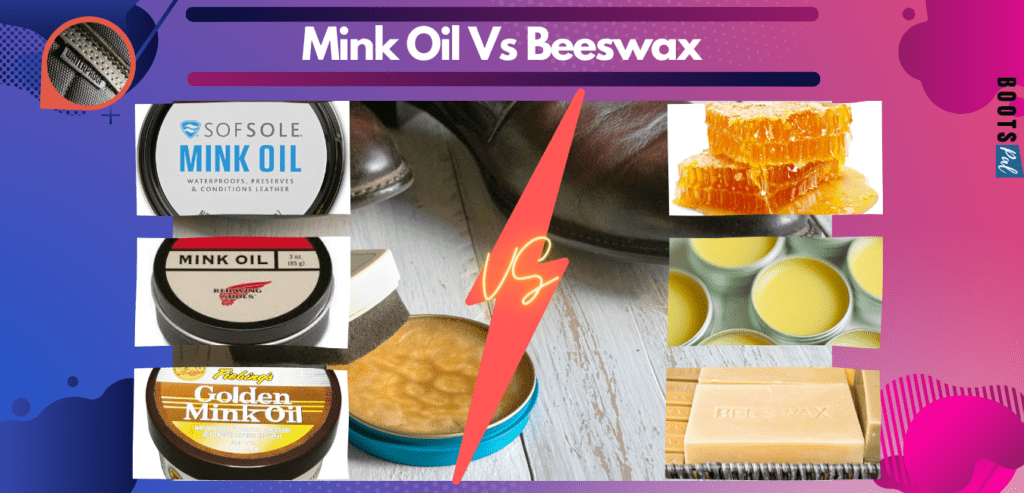
Understanding The Basics Of Mink Oil And Beeswax
Mink oil and beeswax have their own unique characteristics and benefits that make them suitable for different purposes.
Mink Oil: A Natural Leather Conditioner
Mink oil, derived from the fat of minks, has long been used as a natural conditioner for leather. Its composition allows it to penetrate deep into the leather fibers, moisturizing and rejuvenating them.
Here are some characteristics of mink oil:
- Mink oil helps to soften and lubricate leather, making it more flexible and supple.
- It nourishes and restores the natural oils of the leather, preventing it from drying out and cracking.
- Mink oil creates a water-resistant barrier on the leather surface, protecting it from moisture and preventing water damage.
- It can darken the leather, giving it a rich and aged appearance.
- Regular use of mink oil can extend the lifespan of leather products by keeping them in good condition.
Beeswax: A Protective Barrier For Leather
Beeswax, a natural substance produced by honeybees, is another excellent option for protecting leather. It has a unique set of characteristics and benefits that make it an ideal choice for leather care.
Here are some features of beeswax:
- Beeswax forms a protective barrier on the surface of the leather, shielding it from dirt, dust, and moisture.
- It helps to rejuvenate and nourish the leather, making it more resilient and resistant to cracking.
- Beeswax has natural waterproofing properties, making it effective in repelling water and preventing water damage.
- It absorbs into the leather, moisturizing and softening it without compromising its strength and durability.
- Regular application of beeswax can improve the overall water resistance of leather products, ensuring they remain protected in wet conditions.
So the boring definition 101 part is done! We may proceed to a much deeper analysis. Don't worry, this will not bore you to death. Just being specific to your requirements.
Comparing Mink Oil vs Beeswax for Leather: The Great Fight
Special for you only! We’ll enjoy a fight-in-the-ring between mink oil and beeswax now.
So, who’s your money on? The tried-and-true Beeswax or the flashy newcomer, Mink Oil? Don’t place your bets just yet; we’ve got some rounds to go through.
Round 1: Waterproofing
Beeswax: The Rain Repeller
When waterproofing leather is on the table - beeswax is like that friend who always carries an umbrella—super reliable when the skies open up. It creates a solid barrier that laughs in the face of water. Your leather stays as dry as a stand-up comedian on open mic night.
Mink Oil: The Water Whisperer
Mink Oil isn’t too shabby either when it comes to keeping your leather dry. It forms a barrier that says, “Hey water, you’re not welcome here!” But let’s be real, it’s not quite the bouncer that Beeswax is.
Winner of Round 1: Beeswax
Sorry, Mink Oil, you’re good, but Beeswax is the heavyweight champ of waterproofing. It’s like the superhero cape for your leather goods.
You got it! Let’s keep the momentum going.
Round 2: Conditioning
Beeswax: The Leather Spa Day
Beeswax is like a day at the spa for your leather. It goes deep—real deep. It nourishes and rejuvenates, making your leather feel like it just had a full-body massage. Say goodbye to dryness, cracking, and splitting.
Mink Oil: The Leather Hydrator
Mink Oil is the moisturizer your leather didn’t know it needed. It keeps things supple and smooth, like that high-end lotion you save for special occasions. It’s especially great for breathing new life into old, tired leather.
Winner of Round 2: It’s a Tie!
Yep, you read that right. When it comes to conditioning, it's a neck-and-neck race. Beeswax offers deep nourishment, while Mink Oil provides excellent moisturizing. It's like choosing between chocolate and vanilla—both are so darn good.
Round 3: Durability
Beeswax: The Leather Guardian
Beeswax is like that big brother who’s always got your back. It forms a protective layer that shields your leather from the daily grind. Scuffs, scratches, and wear? Beeswax says, “Not on my watch!”
Mink Oil: The Soft Touch
Mink Oil is more of a lover than a fighter. While it does offer some protection, it’s not going toe-to-toe with Beeswax in the durability department. It’s more about keeping things soft and flexible, which is great, but maybe not for a leather gladiator match.
Winner of Round 3: Beeswax
Beeswax takes this round, hands down. It's like the security system for your leather goods—always on guard and ready to protect.
Feeling the heat? Ready to go for Round 4?
Round 4: Eco-Friendliness
Beeswax: The Green Guru
Beeswax is the poster child for eco-friendly leather care. It’s all-natural, biodegradable, and it’s got the green thumbs-up from Mother Earth herself. If Beeswax were a person, it’d be that friend who composts, recycles, and drives a hybrid.
Mink Oil: The Question Mark
Mink Oil is a bit of a gray area when it comes to being green. It’s derived from animal fat, which doesn’t exactly make it the darling of the eco-friendly world. It’s not the villain, but it’s not winning any green awards either.
Winner of Round 4: Beeswax
Beeswax takes the cake—or should we say, the organic, gluten-free, vegan cake? It's the clear winner for those looking to keep things eco-friendly.
Wait, there’s more; here’s a special round in your honor.
Special Round: The Dark Horse—Color & Odor
Beeswax: The Subtle Artist
Beeswax does add a darker tint to your leather but think of it as a filter that adds character. As for the smell, it’s pretty neutral. If Beeswax were a cologne, it’d be “Eau de Nothing Much.”
Mink Oil: The Bold Statement
Mink Oil is not shy about changing your leather’s color. It’s like that friend who convinces you to get highlights—you’ll definitely notice a difference. And the smell? Let’s just say it’s an acquired taste. Kinda musky, kinda bold.
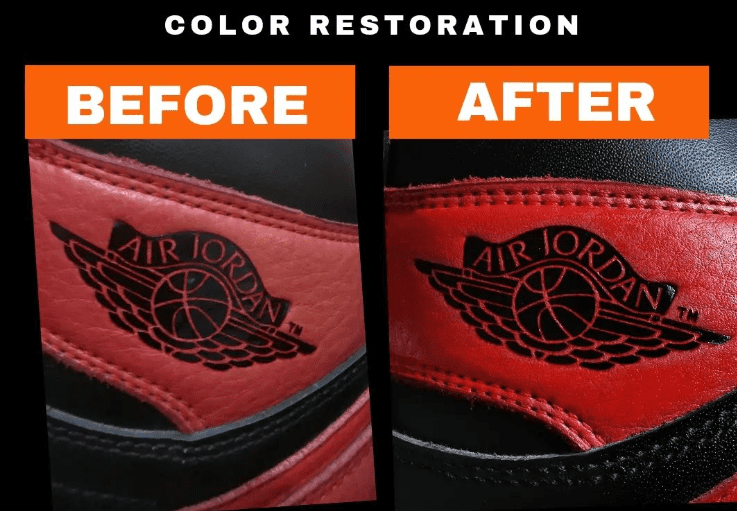
Winner of the Special Round: It’s Subjective!
Beauty (and smell) is in the eye (or nose) of the beholder. If you're into bold changes and don't mind a stronger scent, Mink Oil might be your jam. If you prefer subtlety in both color and odor, Beeswax is your go-to.
Whew! That was a wild card round, wasn’t it?
Let’s wrap this up with some final punches!
The Showdown Table
| Criteria | Beeswax Pros | Beeswax Cons | Mink Oil Pros | Mink Oil Cons |
|---|---|---|---|---|
| Waterproofing | Excellent. Keeps leather super dry. | None | Good. Does the job but is not a superstar. | None |
| Conditioning | Deeply nourishes leather. | Can feel waxy with buildup. | Keeps leather supple and moisturized. | Can soften leather too much. |
| Durability | Enhances the lifespan of leather. | May attract dust and lint. | Not as effective as beeswax. | Can reduce durability if overused. |
| Eco-Friendly | Natural and eco-friendly. | None | Not as eco-friendly as beeswax. | None |
| Application | Easy peasy with a cloth. | None | Also easy to apply. | None |
| Color Effect | Darkens leather. | Could be a con if you like the original. | Darkens leather even more. | Not for you if you’re color-sensitive. |
| Suitability | Not for suede or nubuck. | Limited leather type usage. | Works on more types of leather. | None |
| Odor | Neutral scent. | None | Musky scent could be a turn-off. | Depends on your nose, really. |
Price Comparison: Are They Costly?
In terms of price, mink oil and beeswax are relatively similar. Both products come in a range of brands and sizes, with prices varying depending on the quantity and quality. Generally, they are affordable options for leather care and maintenance, making them accessible to a wide range of consumers.
The Ultimate Decision - Mink Oil Or Beeswax?
Ultimately, the choice between mink oil and beeswax depends on your specific leather care needs and preferences.
The decision comes down to these three key reasons:
- If you want to deeply condition and soften your leather while providing some level of water resistance, mink oil is a suitable choice.
- If you prioritize excellent waterproofing properties and a natural shine without altering the leather’s color, beeswax is the better option.
- Consider the specific leather product you are treating and your desired outcome in terms of appearance and protection.
- Remember to follow the manufacturer’s instructions when using either mink oil or beeswax to ensure optimal results and prolong the life of your leather items.
Some Common Queries That You May Have With Answers
Let’s explore some common questions about mink oil and beeswax for leather care.
Does Mink Oil Make Leather Less Breathable?
Applying too much mink oil or using it too frequently can soften the leather and clog its pores, making it less breathable. This can lead to moisture accumulation, bacteria growth, and mold. It’s best to avoid excessive use of mink oil on leather.
Is Mink Oil Good For Human Skin?
Yes, mink oil based skincare products are good for human skin. Mink oil-based skin care products effectively retain moisture and nourish the skin without causing any inflammation or allergies. As a result, these properties are beneficial for individuals with dry skin, eczema, adult acne, and other sensitive skin conditions.
Can Mink Oil and Beeswax be Used Together on Leather?
Yes, mink oil and beeswax can be used together on leather, depending on the specific needs of the leather item. Applying mink oil first helps condition the leather by replenishing its natural oils and maintaining its flexibility. Afterward, using beeswax can provide an additional layer of protection against moisture and other external elements.
View this post on Instagram
Parting Words
To sum it all up, mink oil and beeswax are both great for leather, but they have some differences.
So, what’s the verdict? Are you switching teams or sticking to your guns? Beeswax and Mink Oil both have their merits, but they also have their quirks. Your choice will depend on what you’re looking for—whether it’s waterproofing prowess, deep conditioning, or eco-friendly creds.
Whatever you choose, just remember: Your leather deserves the best. So go ahead, give it the VIP treatment it’s been craving.
Ready to make your pick? Team Beeswax or Team Mink Oil? The choice is yours and your leather will thank you.
See Ya folks.

- Mink Oil Vs Beeswax For Leather: Which Is Better For You? - October 11, 2023
- Can You Wear Steel Toe Boots on a Plane: Comprehensively Answered - September 13, 2023
- Are Steel Toe Boots Safe? Debunking Myths and Unveiling Facts - July 23, 2023